
7 Dallas Neighborhood Clues First-Time Buyers Should Spot Before Touring
7 Dallas Neighborhood Clues First-Time Buyers Should Spot Before Touring
Buying your first home in Dallas can feel exciting and fast-moving—sometimes a little too fast. It is easy to fall for a pretty kitchen, a staged living room, or a trendy listing description before you really understand the neighborhood around it. Long before you step inside a house, the surrounding blocks are already telling you a story about upkeep, lifestyle, convenience, and long-term value.
For first-time buyers, the smartest tours begin before the front door opens. A neighborhood can reveal whether daily life will feel easy, stressful, peaceful, connected, or inconvenient. In a large and varied market like Dallas, where one pocket can feel entirely different from the next, learning to read those signals helps buyers move with more confidence and fewer regrets.
That is one reason many buyers lean on a local team such as SWAT Realty Group. With deep North Texas market knowledge and a client-first approach, they help people look beyond finishes and square footage to notice what truly shapes a home decision. If you are preparing to tour, here are seven clues worth spotting first.
1. Street-to-Street Consistency Matters More Than One Beautiful Listing
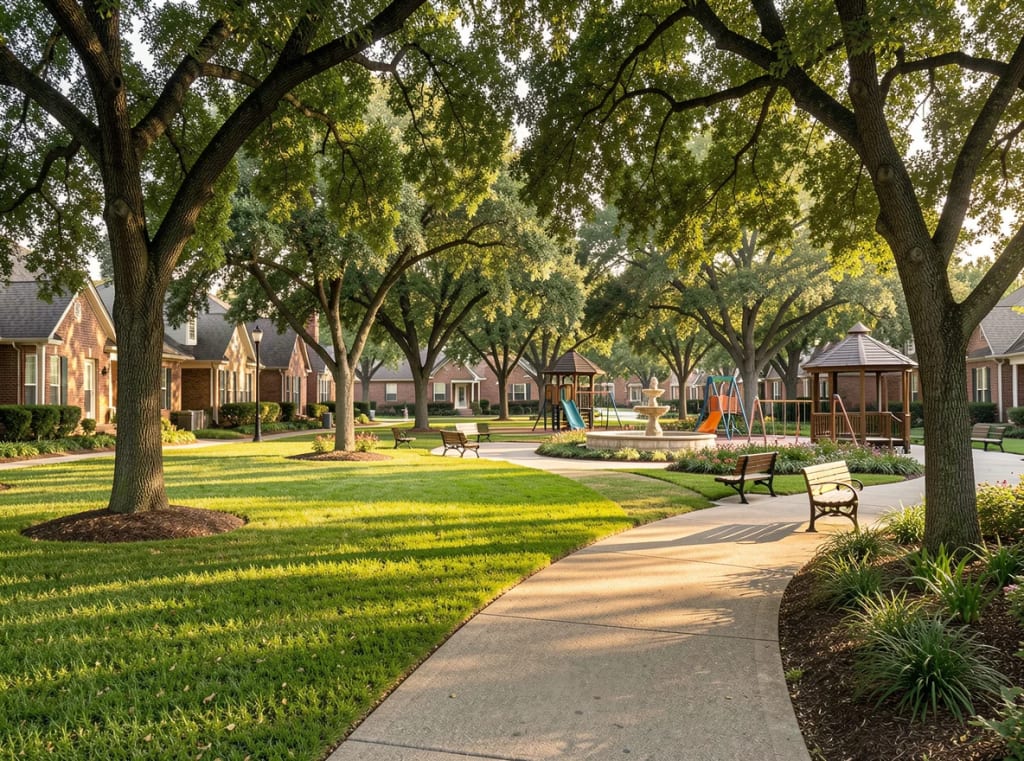
A single updated home does not automatically mean the surrounding area is equally strong. As you arrive, pay attention to whether the block feels consistent from one end to the other. Are lawns generally maintained? Do roofs, fences, and driveways suggest owners are keeping up with repairs? Are homes occupied and cared for, or do you see signs of deferred maintenance concentrated in one stretch?
Consistency often signals neighborhood stability. In Dallas, where redevelopment can happen quickly, a block with a balanced mix of established homes, refreshed exteriors, and general pride of ownership may indicate healthier long-term appeal than a lone flipped property surrounded by neglect. You are not looking for perfection; you are looking for patterns.
This clue also helps you estimate future maintenance expectations. If neighboring homes are well kept, buyers often feel more confident about resale potential and community standards. If conditions vary dramatically from one house to the next, it is worth asking more questions about turnover, investor activity, and how the area has been trending.
2. Watch the Traffic Flow at the Time You Would Actually Live There
Some streets seem quiet at noon and chaotic at 5:30. Before touring, think about your real schedule. If you commute, work remotely, have children, or like to walk in the evening, visit accordingly. Listen for road noise, notice cut-through traffic, and see whether parked cars make the street feel crowded or difficult to navigate.
Dallas neighborhoods can change personality depending on proximity to major roads, school pickup routes, or commuter corridors. A house tucked just off a busy artery may look ideal online yet feel much louder in person than expected. On the flip side, a location with good access and manageable traffic can make daily errands easier without sacrificing comfort.
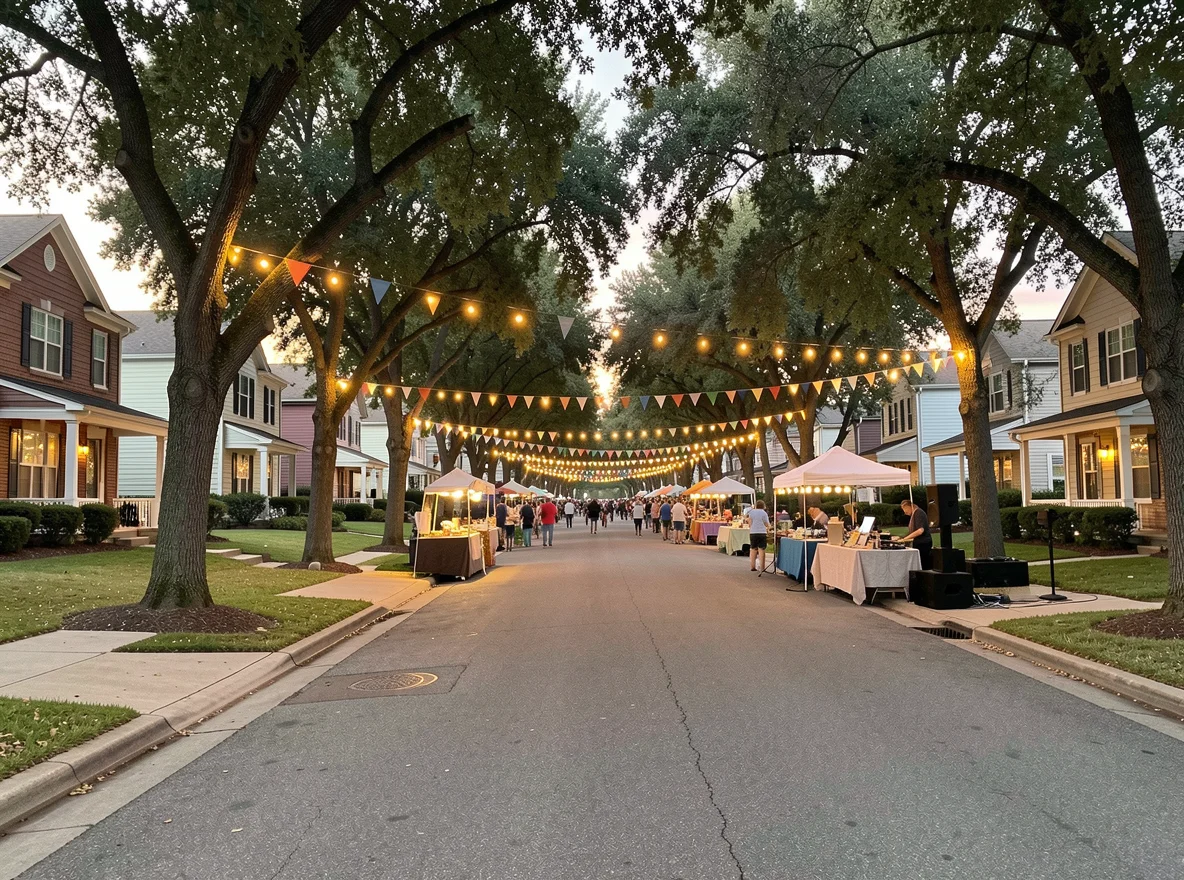
Look beyond car volume too. Are there sidewalks, bike activity, shaded walking routes, or signs that people actually use the area outdoors? Those subtle cues can say a lot about livability and how connected you will feel to your surroundings.
3. Nearby Gathering Spaces Reveal How the Area Functions Day to Day
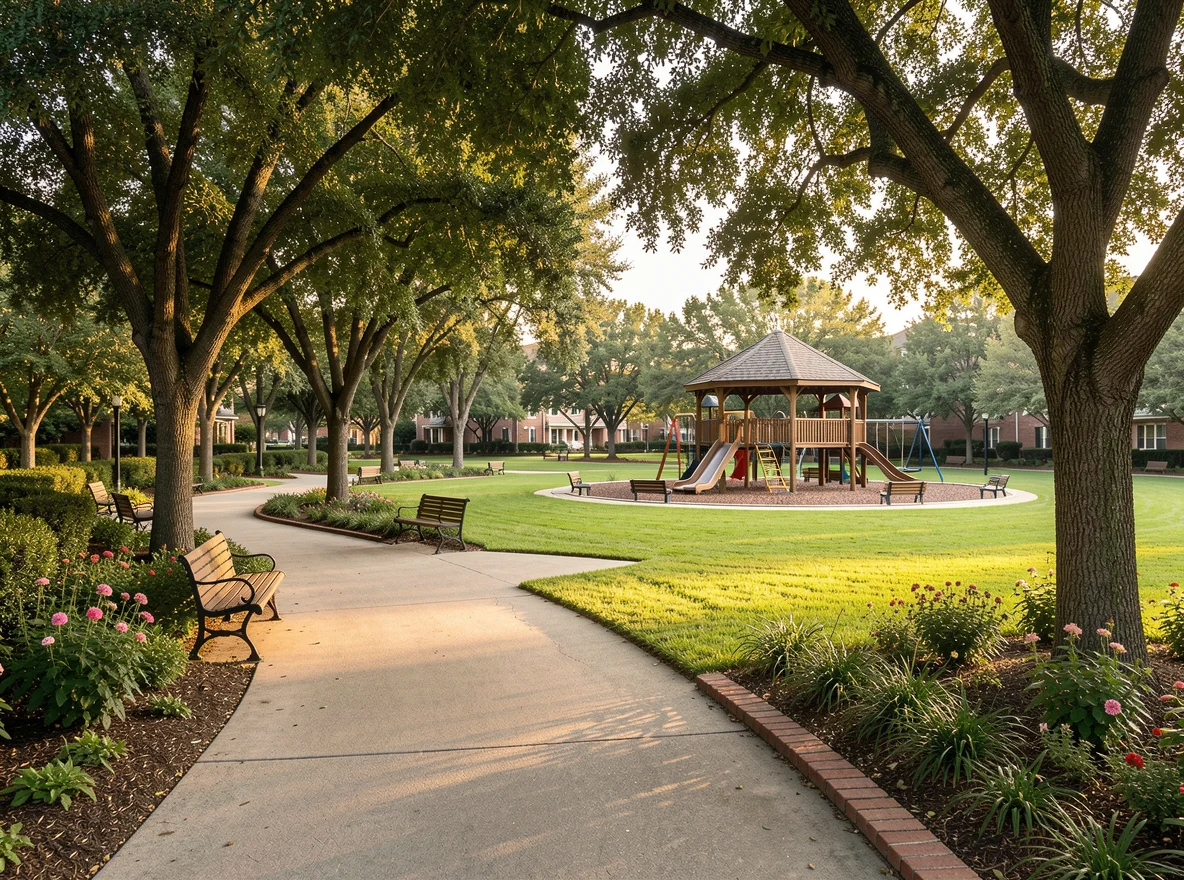
One of the best clues is how people seem to use the neighborhood. A nearby park, trail connection, school field, or community green space can tell you whether the area feels active and welcoming. You do not need crowds to validate a neighborhood, but you do want signs that public spaces are maintained and naturally integrated into everyday life.
For many first-time buyers, convenience is not just about commute times. It is about whether there are places to walk the dog, get outside after work, meet neighbors, or enjoy a slower Saturday morning. In Dallas, access to trails, recreation, and attractive shared spaces can noticeably improve quality of life, especially in warmer months when shade and layout matter.
Pay attention to upkeep here as well. Clean paths, healthy landscaping, and usable amenities often reflect broader municipal attention and neighborhood engagement. These are the kinds of small signals that help a place feel established instead of uncertain.
4. School Presence Can Influence Value Even If You Do Not Have Kids
First-time buyers sometimes skip this clue if schools are not part of their current life plan. That can be a mistake. School reputations, campus conditions, traffic patterns, and proximity can all influence neighborhood demand and resale strength. Even buyers without children should understand how the local school picture fits into the broader market story.
As you drive around, note whether nearby campuses appear active and maintained, and whether the area feels organized during pickup and drop-off hours. Ask about district boundaries, magnet options, and how buyers typically perceive the area. In a market as diverse as Dallas, school-related demand can vary widely from one neighborhood to another.
This does not mean every great purchase must center on a top-rated school zone. It means school context is one more factor affecting future flexibility. A knowledgeable North Texas real estate team can help explain how that factor shows up in pricing, competition, and resale expectations.
5. Notice the Mix of Old and New Without Assuming Newer Is Always Better
Dallas has neighborhoods full of character, from established areas with mature trees and classic architecture to newer communities with modern layouts and fresh infrastructure. Neither is automatically superior. What matters is whether the neighborhood’s age aligns with your priorities and whether updates have been thoughtful rather than purely cosmetic.
Older neighborhoods may offer charm, larger lots, and stronger tree canopy, but buyers should watch for drainage clues, foundation concerns, or signs of aging systems nearby. Newer communities can offer efficiency and lower immediate maintenance, but some buyers find them denser, less shaded, or more uniform in style. The best fit depends on what kind of daily experience you want.
As you tour, ask yourself whether the area feels like it will still suit you in three to five years. That question often leads to better decisions than simply asking which home looks newest.
6. Retail and Dining Access Should Feel Convenient, Not Intrusive
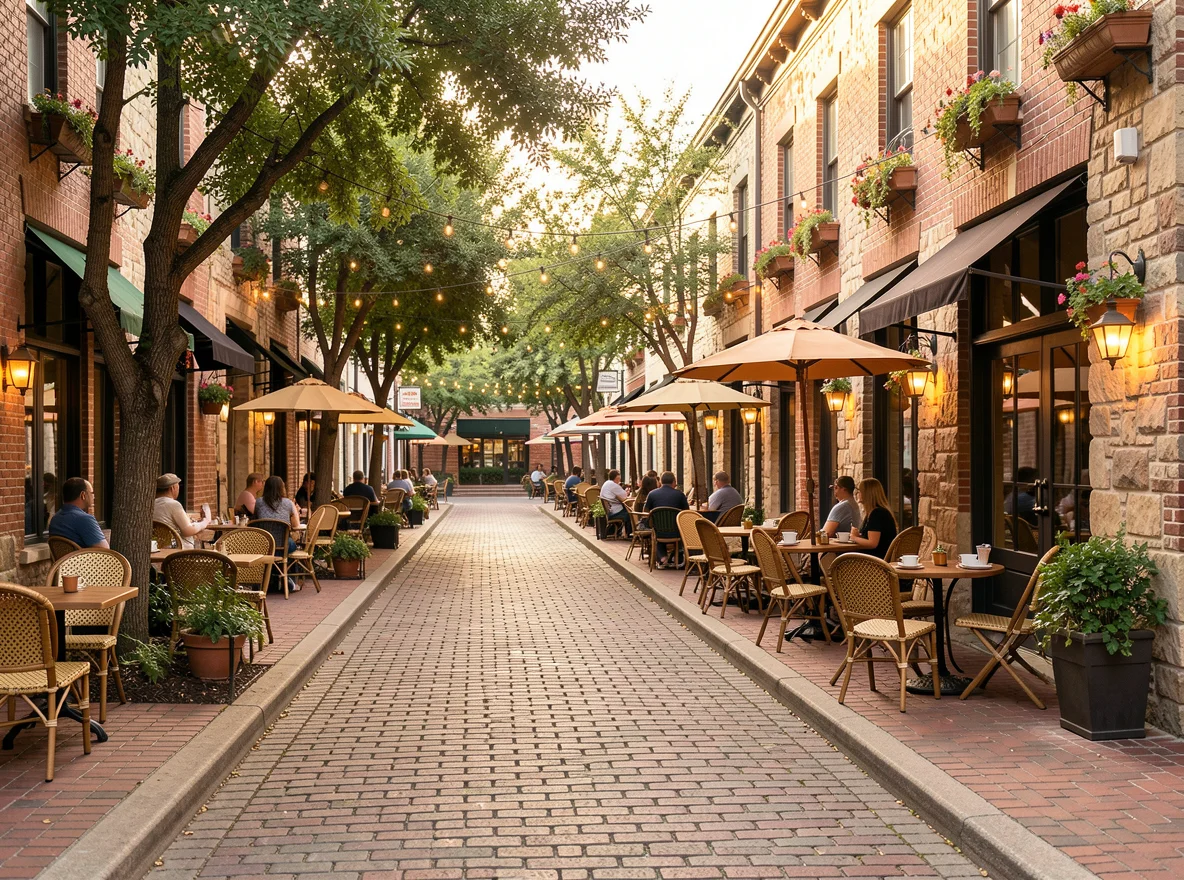
Being close to everyday conveniences can be a huge win for first-time buyers, especially if you value quick errands, casual evenings out, or less time in the car. Still, there is a difference between convenient access and living so close to commercial activity that noise, parking pressure, or heavy traffic become a constant part of home life.
The clue to watch is balance. Does the neighborhood offer easy reach to dining, entertainment, and essentials while still feeling residential once you turn onto your street? In Dallas, some of the most appealing areas manage that mix beautifully, giving residents a connected feel without sacrificing comfort.
It also helps to think about your budget in relation to these amenities. Highly walkable, highly connected pockets can command stronger prices. If a neighborhood sits just outside the hottest zone but still offers practical access, it may create a smart opportunity for a first-time buyer trying to maximize value.
7. The Pace of Turnover Tells You a Lot About Demand and Fit
Finally, ask how often homes come up for sale in the neighborhood and how quickly they move. Frequent turnover is not always bad, and low turnover is not always good, but each can mean something. A neighborhood where owners stay for years may point to satisfaction and stability. An area with constant churn may reflect investor activity, changing demand, or a transitional phase.
This is where professional guidance becomes especially valuable. SWAT Realty Group works with buyers, sellers, and relocation clients across North Texas, so they can help put local turnover patterns into context rather than leaving you to guess. Their team-based model also means buyers can get practical insight on pricing, competition, and how one Dallas pocket compares with another.
The bottom line: before you tour a home, tour the surroundings with just as much attention. The streets, parks, traffic patterns, school context, upkeep, and lifestyle signals all shape whether a house will feel right after the excitement wears off. When first-time buyers learn to spot these clues early, they make clearer decisions—and often find not just a home they like, but a neighborhood they genuinely want to live in.