
Arlington Game-Day Living: 5 Pros and Tradeoffs of Buying Near Entertainment Hubs
Arlington Game-Day Living: 5 Pros and Tradeoffs of Buying Near Entertainment Hubs
Few places in North Texas deliver energy quite like Arlington’s entertainment corridor. On football Sundays, concert nights, and big event weekends, the area hums with excitement that can make everyday life feel a little more electric. For buyers who love walkable fun, bold atmosphere, and being close to major attractions, the appeal is obvious. Still, living near stadiums and event venues is a lifestyle choice as much as a real estate decision, and it pays to understand both the upside and the compromises before making a move.

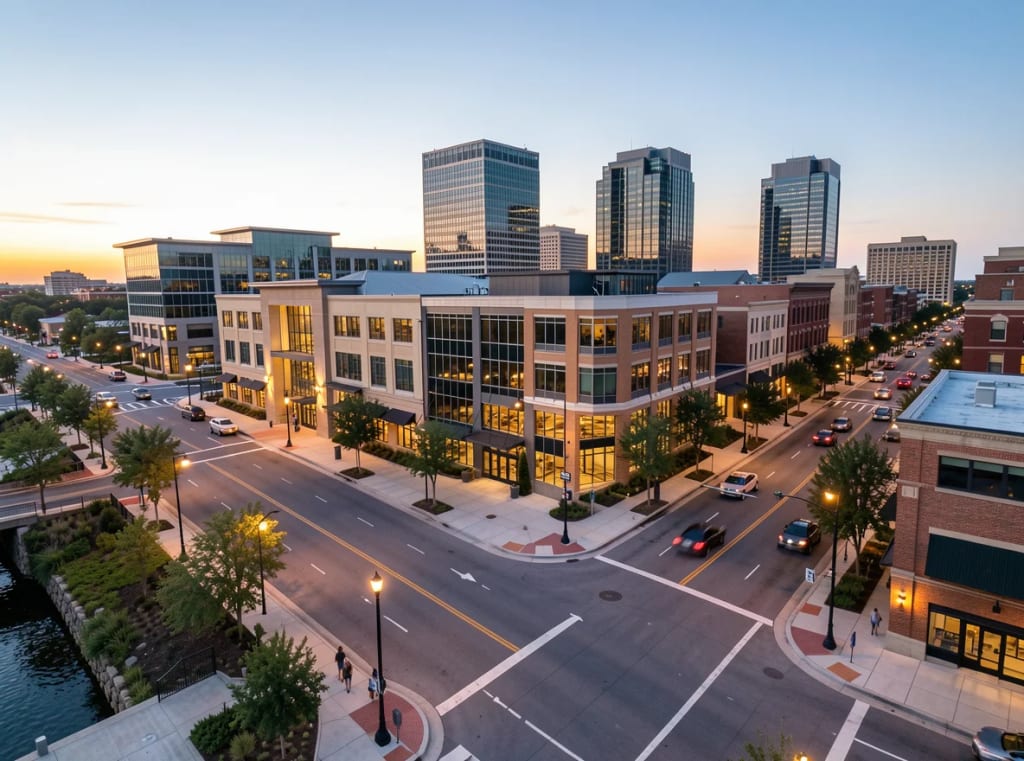
Pro #1: unmatched access to action. Buyers who choose homes near entertainment hubs often do so because they want convenience that feels tangible. Instead of planning an entire evening around parking, traffic, and long drives, you may be just minutes from professional sports, live music, festivals, dining destinations, and year-round attractions. That can create a more spontaneous lifestyle, where weeknights feel fuller and weekends require less logistics. For some households, especially those who entertain often or host visiting friends and family, that proximity becomes one of the home’s best features.
Tradeoff #1: traffic and event congestion are real. The same access that feels exciting on a Tuesday can become a challenge on a sold-out Saturday. Roads get crowded, rideshare demand spikes, and routine errands may take longer during major events. Buyers should look beyond the listing photos and spend time in the neighborhood at different hours, especially before and after games or concerts. A home that feels perfectly peaceful at noon can offer a very different experience once the venue calendar kicks into gear.
Pro #2: strong appeal for resale and relocation-minded buyers. In a dynamic market like North Texas, homes near major destinations can stand out for buyers relocating for work, lifestyle, or convenience. Arlington’s central position between Dallas and Fort Worth only adds to the value proposition. A property close to entertainment, highways, and job centers may attract a broad audience, from young professionals to households wanting a lively setting with easy regional access. That doesn’t guarantee instant appreciation, but it can support long-term marketability when the home is priced and positioned well.
Lifestyle Perks Go Beyond the Stadium Lights
One of the biggest surprises for many buyers is how much the surrounding community matters just as much as the venue itself. Arlington offers more than game-day energy. Parks, trails, neighborhood recreation, nearby schools, and convenient retail corridors all influence daily life. Buyers should think about how the area functions on ordinary mornings, not just high-profile nights. Is there a favorite coffee stop nearby, a practical route to work, and easy access to groceries, fitness, and green space? Those details determine whether a home feels sustainable after the novelty wears off.
Tradeoff #2: pricing can reflect the location premium. Homes close to high-profile attractions often carry a different value story than similar properties farther away. Sometimes that premium comes from convenience and visibility; other times it comes from limited inventory in desirable pockets. Buyers should compare not just price per square foot, but also lot size, traffic exposure, parking realities, HOA structure if applicable, and how much privacy the property actually offers. A slightly farther location may deliver more space and quiet for the same budget.
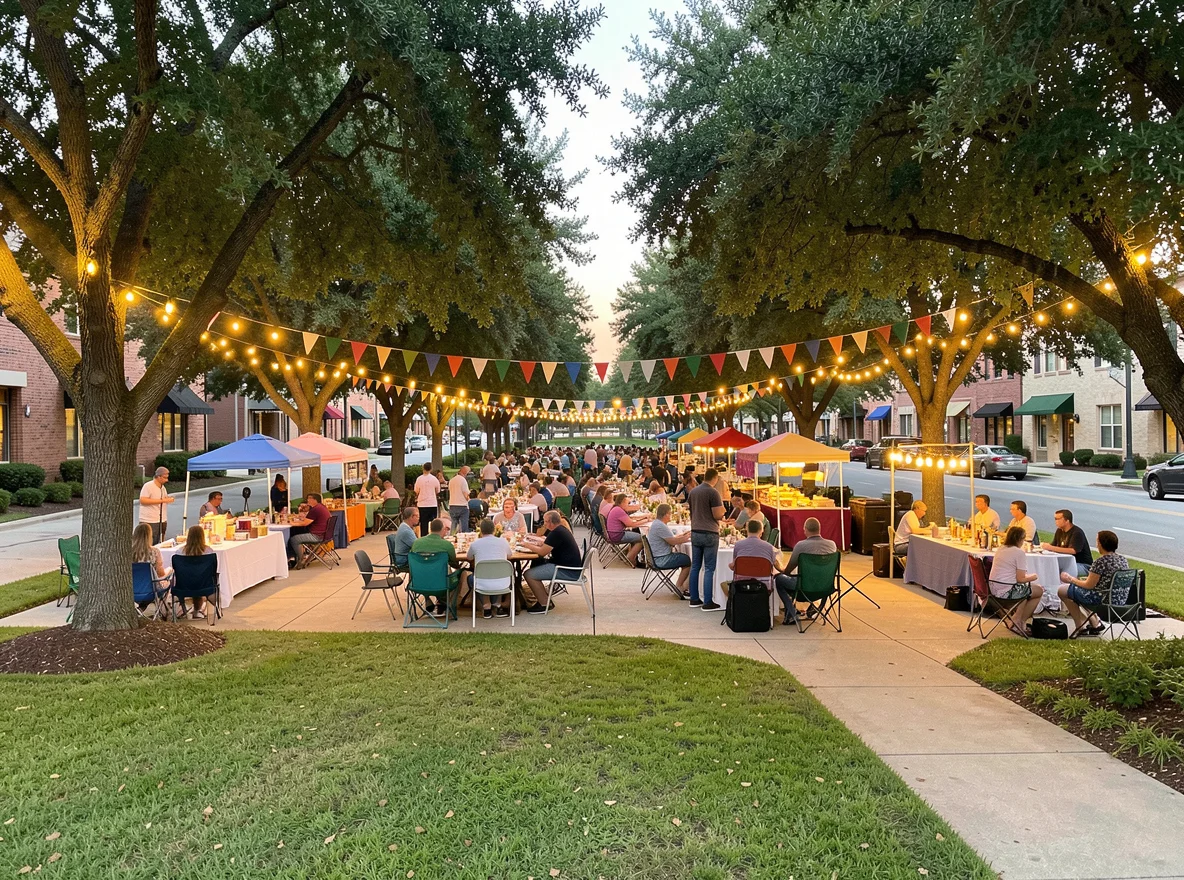
Pro #3: entertainment adjacency can enhance social life. For buyers who thrive on connection, this is where the area shines. It is easier to say yes to dinner with friends, a last-minute event, or an afternoon outing when everything is nearby. The rhythm of the neighborhood can feel more engaged and less isolated than outlying suburbs. That can be especially appealing for newcomers to the region who want to plug into local life quickly. With the right home base, the area can offer a blend of suburban comfort and destination-level energy.
Tradeoff #3: noise, lighting, and parking spillover deserve attention. These factors vary block by block. Some neighborhoods are buffered surprisingly well, while others feel the impact more directly. Buyers should ask specific questions about street parking, event-day restrictions, police traffic management, and seasonal peaks. Even details like backyard orientation or whether a bedroom faces a busy corridor can shape your day-to-day experience. In this kind of location, micro-neighborhood knowledge matters.
What Smart Buyers Should Evaluate Before Making an Offer
Pro #4: short-term and long-term convenience. Living near entertainment often means being near established infrastructure too. Major roads, hospitality zones, newer amenities, and continued area investment can all support a sense of momentum. For buyers who value easy commutes across the Metroplex or want a home that feels connected rather than tucked away, that can be a meaningful advantage. Arlington’s position in the middle of DFW keeps it relevant for people balancing work, recreation, and travel.
Tradeoff #4: not every buyer wants constant activity. If your ideal home environment centers on quiet evenings, low traffic, and a deeply residential feel, entertainment-centered living may not be the best fit. Even a beautiful property can feel “wrong” if the surrounding pace clashes with your personality. This is less about whether the area is good or bad and more about whether it aligns with the way you actually live. The best home purchase is one that fits your habits, not just your wish list.
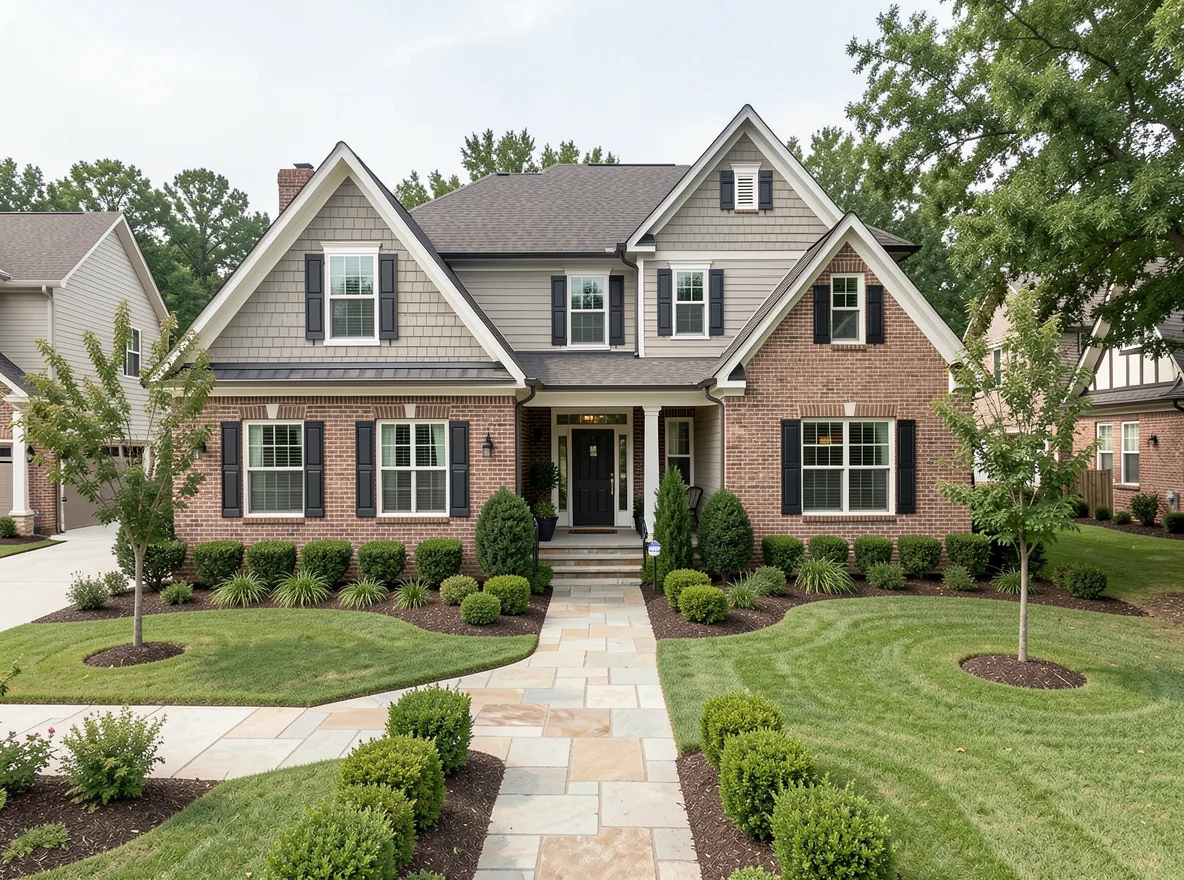
Pro #5: there are pockets with balance. The good news is that buyers often do not have to choose between total immersion and total distance. In Arlington, some neighborhoods offer a middle ground: close enough to enjoy the events, far enough to preserve a more residential atmosphere. That sweet spot is often where experienced local guidance makes the biggest difference, helping buyers compare streets, subdivisions, and access patterns that online searches alone cannot fully explain.
Tradeoff #5: due diligence needs to go deeper than the listing. Buyers should review city plans, neighborhood patterns, school options, commute routes, and comparable sales with care. It also helps to understand how the local market responds to event-adjacent locations during different seasons. A team that knows North Texas well can help identify whether a property is benefiting from true lifestyle value, temporary hype, or a pricing strategy that needs a second look.
For buyers exploring Arlington, the question is not simply whether living near the action is worth it. The better question is which version of game-day living suits you best. With a client-focused approach and deep North Texas specialization, SWAT Realty Group helps buyers weigh the exciting perks against the practical realities so the final choice feels smart long after the first kickoff. When the neighborhood matches your pace, entertainment-hub living can be more than convenient; it can feel like the right kind of home-field advantage.