

Irving vs Dallas vs Fort Worth: How Relocators Can Balance Commute, Lifestyle, and Space
Irving, Dallas, or Fort Worth? Finding the Right North Texas Fit
Relocating to North Texas often starts with one big question: where should you actually live? For many movers, the shortlist quickly narrows to Irving, Dallas, and Fort Worth. Each offers a distinct rhythm, housing experience, and commute pattern, and the “best” choice depends less on a city ranking and more on how you want your daily life to feel once the boxes are unpacked.
That is why the smartest move is to think beyond square footage alone. Commute time affects mornings and evenings, neighborhood character shapes weekends, and home styles influence both budget and long-term comfort. With a client satisfaction-focused approach and deep North Texas market specialization, SWAT Realty Group helps relocators compare these cities in a practical way so the decision reflects real life, not just online listings.

Dallas is usually the first city people recognize, and for good reason. It offers a fast-paced metropolitan lifestyle with major employment centers, established cultural destinations, professional sports, medical institutions, and a wide range of neighborhoods. If your priority is being close to a large concentration of corporate offices, nightlife, arts venues, and upscale dining, Dallas can feel exciting and efficient. Housing here ranges from sleek urban condos to traditional homes in leafy districts, but buyers often find they are trading a little more money for location and access.
Irving, on the other hand, often surprises relocators in the best way. Positioned between Dallas and Fort Worth, it can be a strategic choice for professionals who want a more central home base with easier access to DFW Airport and multiple business corridors, including Las Colinas. The appeal here is balance: many neighborhoods feel more residential and predictable than the busiest parts of Dallas, while still keeping you connected to major employers, entertainment, and transportation routes. For buyers who want convenience without feeling like they live in the middle of nonstop intensity, Irving deserves a serious look.
Fort Worth tends to win over people who want more breathing room and a slightly more laid-back identity. While it is a large city in its own right, its atmosphere often feels more relaxed, with a strong sense of local pride, western heritage, cultural institutions, and family-friendly neighborhoods. Relocators drawn to larger lots, more traditional suburban patterns, and a little extra distance from the densest traffic often find Fort Worth aligns better with their priorities. It can be especially appealing for households that place a premium on space and neighborhood feel over immediate proximity to Dallas-based nightlife or employment hubs.
How Commute Changes the Equation
In North Texas, commute planning is not a minor detail; it is one of the biggest quality-of-life factors in a relocation decision. A home that looks perfect on paper can become far less appealing if it adds significant time to every workday. That is why many relocators first map office locations, airport needs, school routines, and common weekend destinations before narrowing down neighborhoods. Someone working in Las Colinas, for example, may view Irving very differently than someone commuting daily to Uptown Dallas or to a Fort Worth medical district.
Dallas often makes sense for those who want to be closest to the region’s densest concentration of business and entertainment activity, but that convenience may come with heavier traffic and a more urban driving experience. Irving can be compelling for frequent travelers and hybrid workers because of its central position and accessibility. Fort Worth may offer a smoother fit for people whose job, family, or lifestyle is rooted on the western side of the metroplex. The right answer is less about city prestige and more about reducing friction in your everyday schedule.
It also helps to think about future commute needs. If one spouse works remotely now but may return to the office later, or if airport access is likely to become more important, that should influence the search. A team-based real estate process can be especially valuable here, because comparing three major cities takes local knowledge, timing, and honest trade-off analysis rather than a one-size-fits-all recommendation.
Lifestyle, Neighborhood Character, and Daily Comfort
Once commute is considered, lifestyle becomes the deciding factor for many movers. Dallas suits buyers who want energy, variety, and a bigger-city feel. There is always something happening, from museums and live performances to chef-driven dining and major events. That energy can be a huge advantage for professionals, singles, and households who want to stay plugged into a vibrant urban environment.
Irving offers a different kind of comfort. Many relocators appreciate its practical location, established neighborhoods, and proximity to both work and travel. Areas near Las Colinas add a polished, modern feel, while other parts of the city provide more traditional suburban housing options. For people who want access to amenities without needing to be in the center of the action every night, Irving can hit a sweet spot.
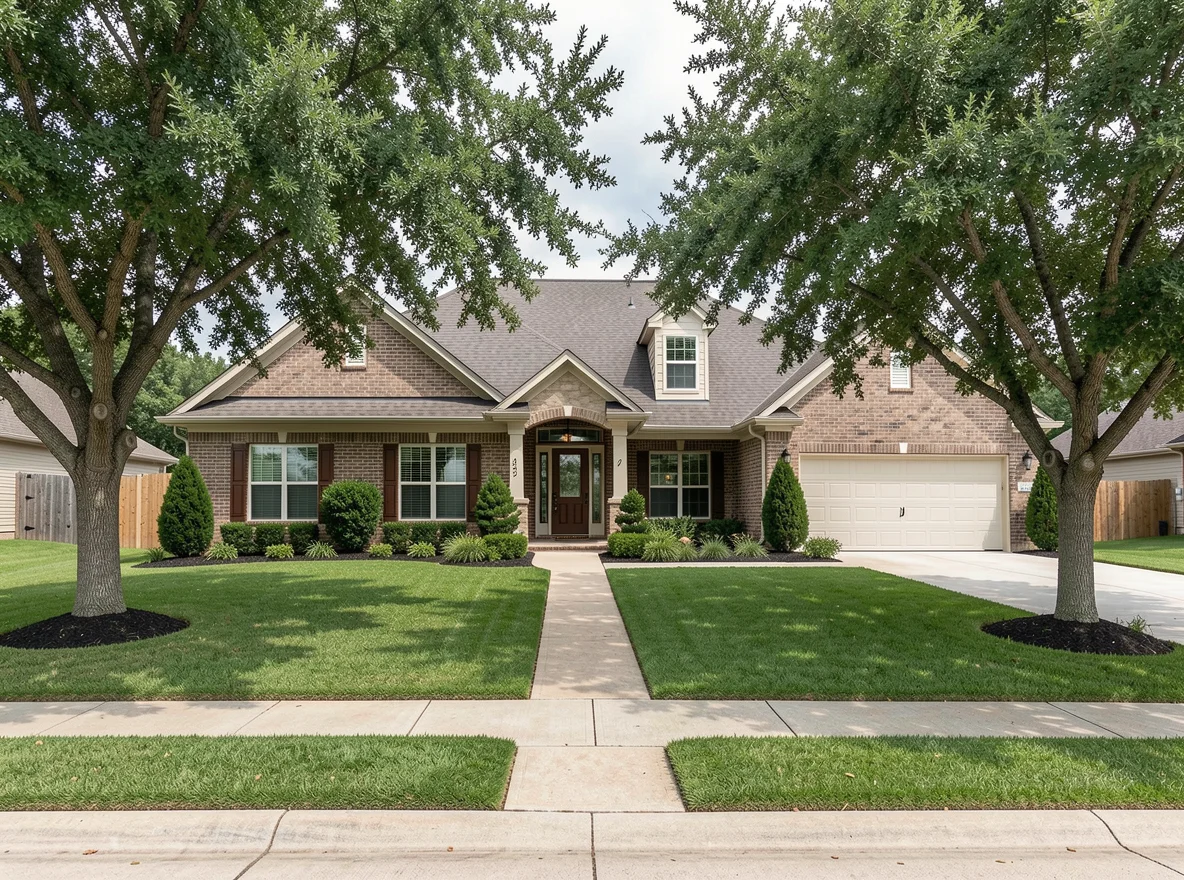
Fort Worth stands out for buyers looking for community character and room to spread out. Its neighborhoods often feel grounded and approachable, and the city’s blend of cultural sophistication and western identity gives it a personality all its own. Families frequently appreciate the sense of space, the range of residential options, and the ability to find a home that feels less compressed than what they may encounter closer to central Dallas.
Schools, recreation, and weekend routines matter too. Across all three cities, buyers can find parks, sports facilities, local gathering spots, and established residential pockets, but the overall texture differs. Some households want walkability and proximity to nightlife. Others want backyard space, easier parking, and a calmer street scene. The right city is the one that supports the version of everyday life you are actually trying to build.
What Buyers Should Expect From the Housing Search
Real estate across Irving, Dallas, and Fort Worth is diverse, but the value equation shifts from one city to another. In Dallas, buyers may pay a premium for centrality, established prestige, or access to highly sought-after neighborhoods. Irving often attracts those looking for a middle path: strong location advantages, varied housing stock, and relative convenience to multiple parts of the metroplex. Fort Worth can offer more house or lot size for the money in certain areas, though pricing always depends on neighborhood, inventory, and market conditions.
This is where relocation support becomes especially important. Online searches can make homes look interchangeable, but they are not. Street-by-street differences, school boundaries, commute realities, and future resale potential all shape whether a property is truly the right fit. Working with a group that supports buying, selling, and relocation needs helps narrow the field faster and with more confidence.
Because SWAT Realty Group operates with a team-based service model backed by Fathom Realty affiliation, clients can approach the process with both local insight and responsive guidance. That matters when comparing multiple cities at once, especially if you are moving on a deadline, coordinating a job transition, or trying to balance lifestyle goals with a realistic budget.

The Best Choice Is the One That Fits Your Routine
There is no universal winner between Irving, Dallas, and Fort Worth. Dallas may be ideal if you want a big-city experience and easy access to major business and entertainment centers. Irving may be the answer if your priority is central convenience, airport access, and a balanced lifestyle. Fort Worth may be the strongest fit if you want more room, a slightly slower pace, and neighborhoods with a comfortable residential feel.
The goal is not just to choose a city with the most buzz. It is to choose the place where your commute feels manageable, your home supports your lifestyle, and your weekends feel the way you want them to feel. When relocators frame the decision that way, the right direction usually becomes much clearer.
If you are weighing these three North Texas options, a guided comparison can save time, reduce stress, and help you move forward with confidence. The best relocation outcomes happen when commute, lifestyle, and space are considered together, not separately.